In the world of industrial 3D printing, momentum rarely matches what recent market shifts and research breakthroughs are driving. While you enjoy your morning coffee, LPBF systems are being deployed in Spanish manufacturing plants, and millions are being raised in the US for sustainable filaments. This changes everything.
Spanish expansion: the ATLIX and Excelencia Tech alliance
Let’s face it: the Spanish market is not just about tourism—it represents one of Europe's strongholds for the automotive and aerospace industries. ATLIX—which originated from TRUMPF’s additive manufacturing division—has now formed an alliance with the Excelencia Tech Group. This strategic move provides direct access to TruPrint metal 3D printing platforms if you plan to manufacture in the Iberian region.
The Barcelona-based partner brings extensive industry experience. With three facilities covering the country, they provide full workflow support from polymers to metals. This is precisely what counts: combining local expertise with robust technology.
Why Spain? The regional industrial base is eager for additive solutions that replace sluggish, conventional supply chains. Through this partnership, ATLIX has effectively consolidated its foothold in one of Europe’s most promising industrial regions.
So, what is the next step?
Multi-million dollar capital injection and AI-driven printers
At the end of the day, capital drives adoption. Material science company Timeplast recently closed an impressive $5 million (approx. HUF 1.8 billion) crowdfunding round. Backed by more than 10,000 retail investors, the campaign underscores the robust market demand for sustainable solutions.
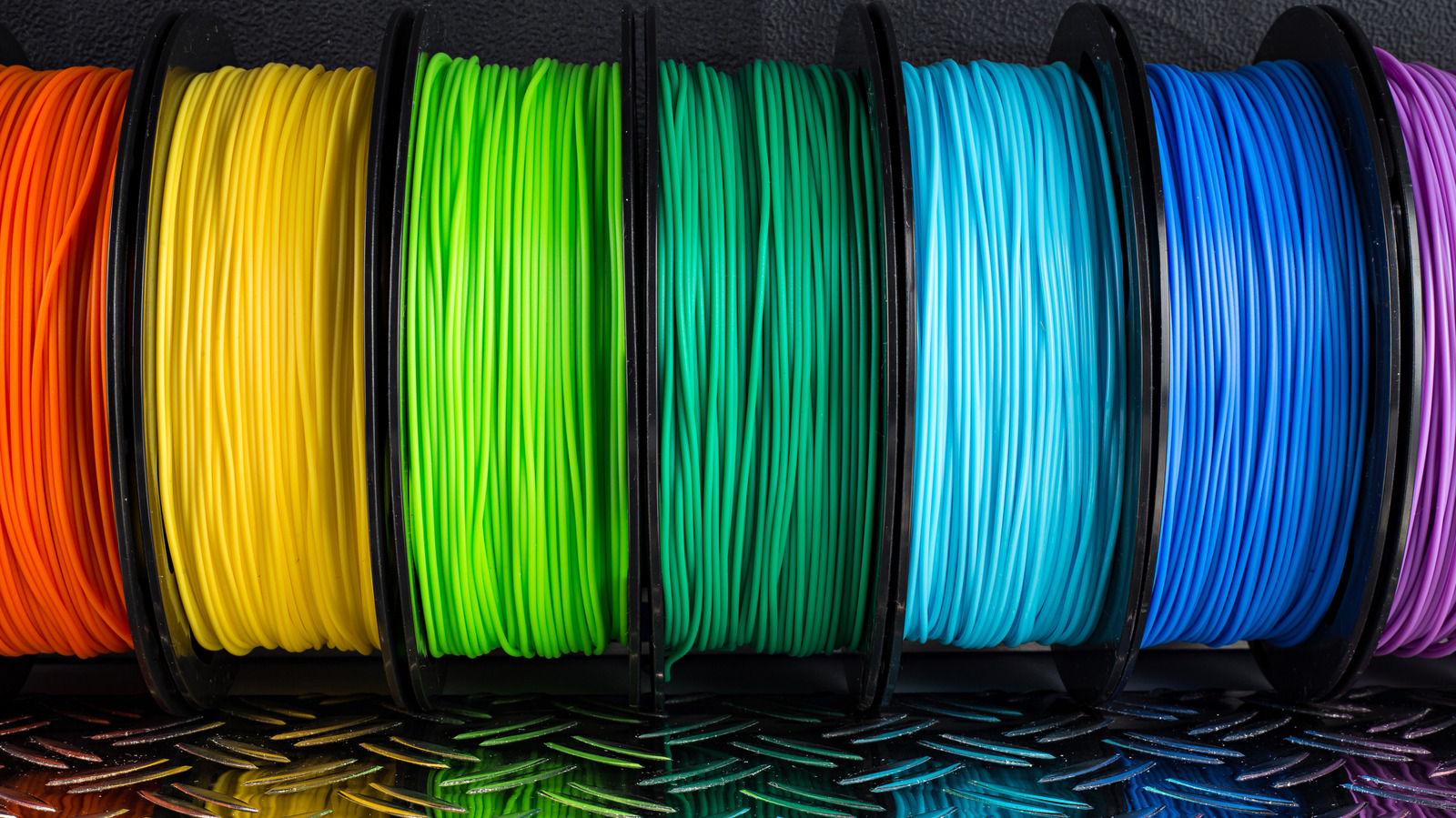
Their portfolio already includes more than 80 proprietary filaments. Among these are 3D printable soap and holographic strands, but the real disruptive potential lies in the "Manifester". This sub-$1,000 (approx. HUF 360,000) AI-driven machine is engineered to generate physical objects via voice commands.
In our experience—subject to technology validation—voice-controlled printing remains in its infancy, yet Timeplast's liquidity may be sufficient to advance the technology. Bypassing conventional platforms, they raised funds via their proprietary channel, maintaining a direct relationship with dedicated backers who truly believe in the product.
Yet that is only part of the issue.
X-raying deep into metals: why components fracture
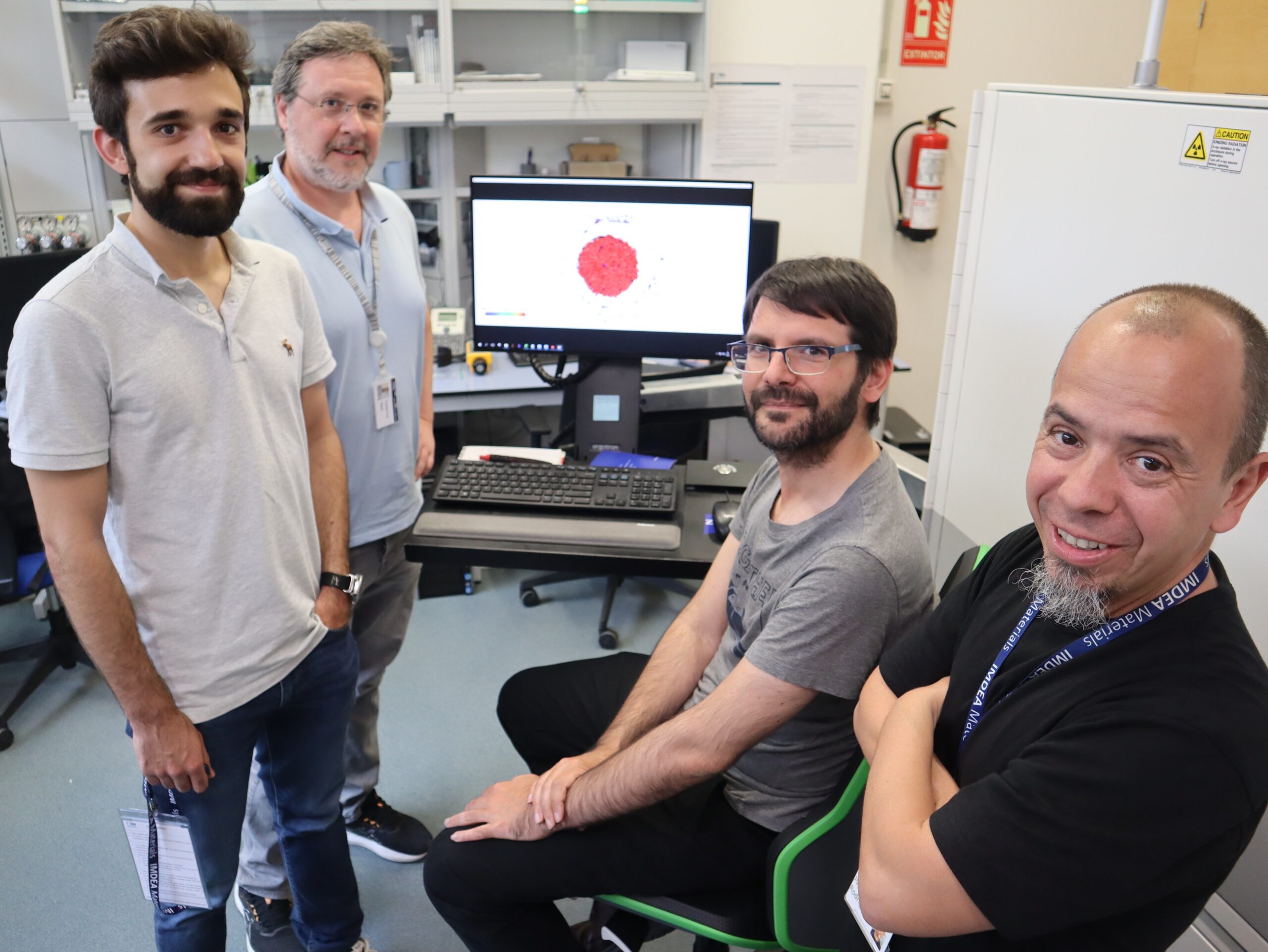
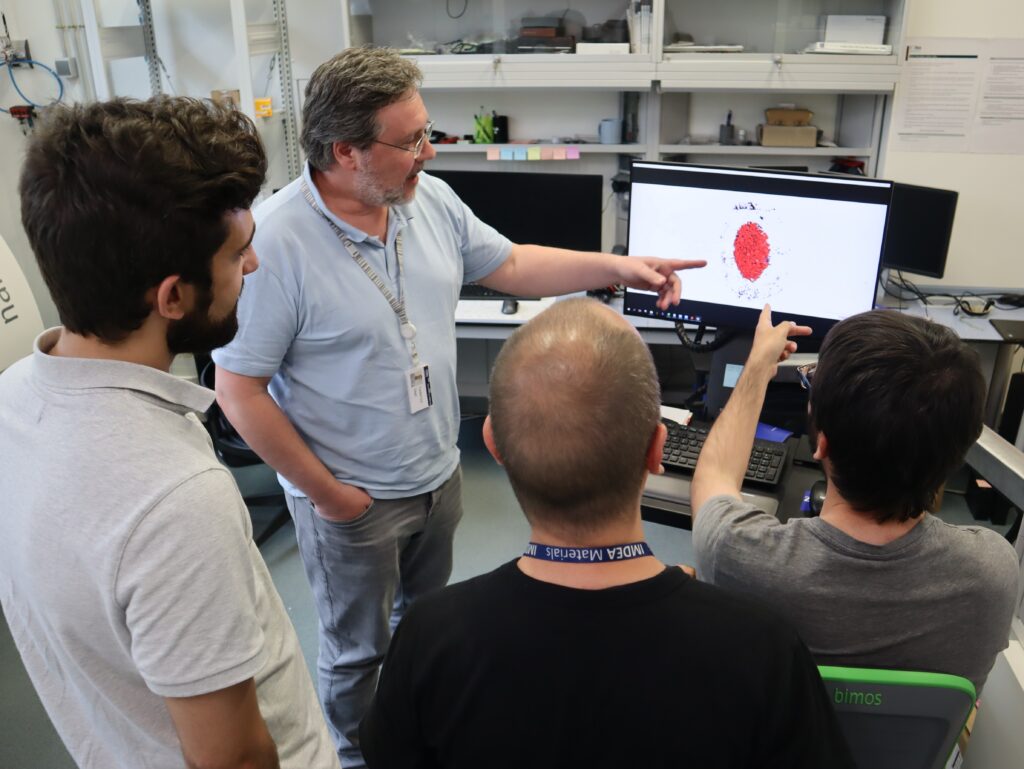
Remarkably, materials scientists have long lacked real-time visibility into the exact moment a metal component fails under dynamic loading. However, a joint research team from IMDEA Materials and the Carlos III University of Madrid has achieved a major breakthrough. They investigated AlSi10Mg and Ti-6Al-4V alloys, the primary workhorse materials in industrial 3D printing.
During testing, the specimens were subjected to impact velocities of 750 meters per second (approx. 2,700 km/h). Utilizing high-energy synchrotron X-ray imaging, they observed the internal material dynamics in real time. We finally have a clearer picture of the mechanism.
When the shockwave propagates through the material, micro-pores initially collapse. Then comes the critical phase: as tensile stress reflects through the metal, these pores void, reopen, and coalesce. This mechanism drives internal spalling, known technically as spall fracture.
That is the policy landscape. Here is the technical breakdown.
This finding fundamentally changes how we design components for the aerospace and defense sectors. Understanding dynamic pore behavior enables the engineering of significantly more resilient parts. Ultimately, structural integrity and safety are paramount when operating at high altitudes.
Frequently Asked Questions
What are the advantages of ATLIX's expansion into Spain?
Local manufacturers benefit from faster field service, direct application engineering support, and frictionless access to cutting-edge metal additive manufacturing technologies.
What is the Manifester printer?
An AI-powered system currently under development, designed to generate physical parts directly from voice input.
Why is the research on pore behavior important?
It clarifies the failure mechanisms of 3D-printed metals under extreme dynamic loads, enabling the design of safer, more resilient components for the aerospace industry.
Source: 3dprint.com / Sarah Saunders
Share: